

Weaponizing Rape Allegations
Questioning the Story on Graham Platner – Perception, Politics, and Allegations

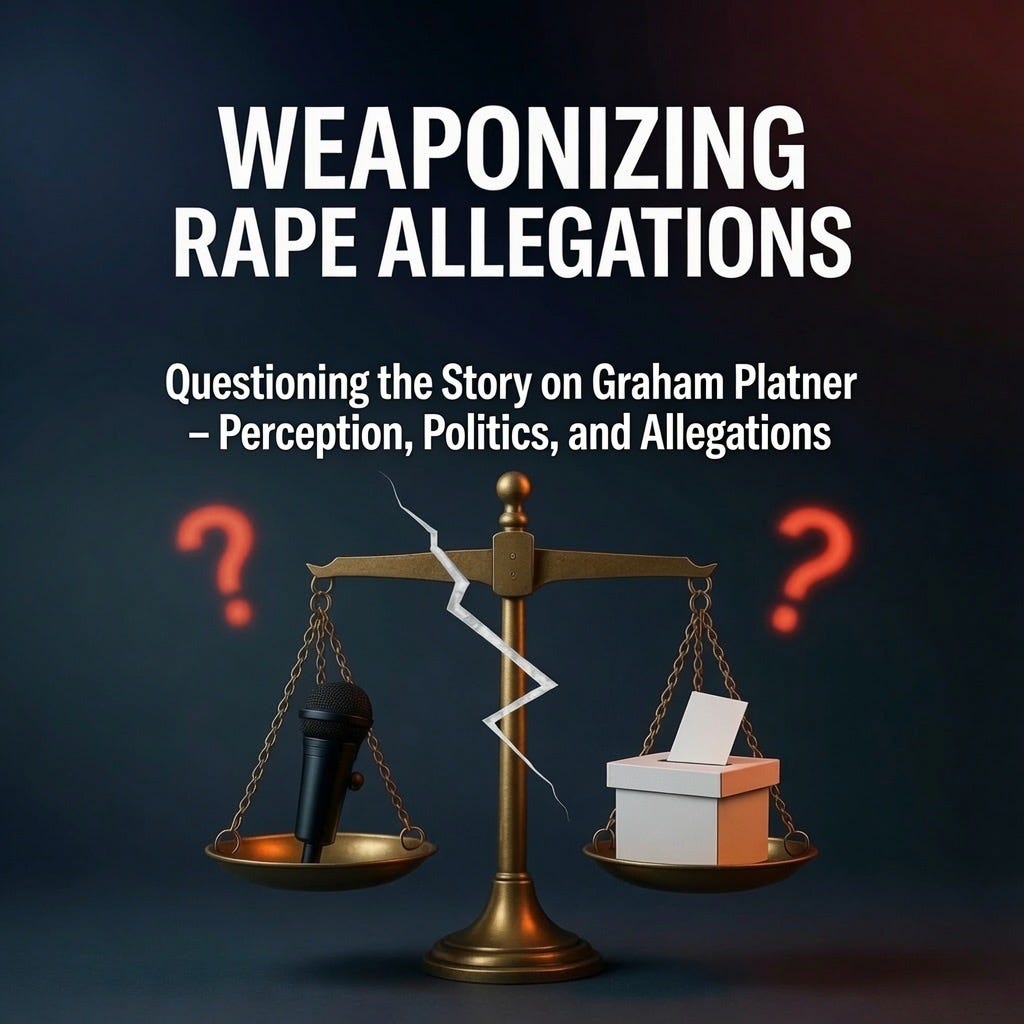
In a recent Politico article, Jenny Racicot accused Graham Platner, the Democratic Senate nominee in Maine, of raping her in 2021, a story that quickly gained national traction through a high-profile CNN interview with Jake Tapper and widespread media coverage. Just weeks after his primary victory, Platner faced a rapid series of personal conduct allegations, primarily from New York Times and Politico reports, prompting intense scrutiny that led to the suspension of his campaign on July 8, 2026. However, a closer examination of the claims, timelines, surrounding context, the backgrounds of the journalists involved, and broader institutional media dynamics (particularly regarding Israel-related issues) raises significant questions about the narrative’s consistency and motivations. This piece explores the psychology of sexual assault allegations in high-stakes politics, the specific discrepancies in Racicot’s account, the motivation of the media organizations involved and why the story warrants careful scrutiny.
Public Sensitivity to Sexual Assault
Americans across the political spectrum view sexual assault as a serious societal problem. Polls show strong majorities believe it is widespread, affecting women, children, and increasingly boys. This sensitivity is justified and outrage and calls for action are appropriate responses to such crimes.

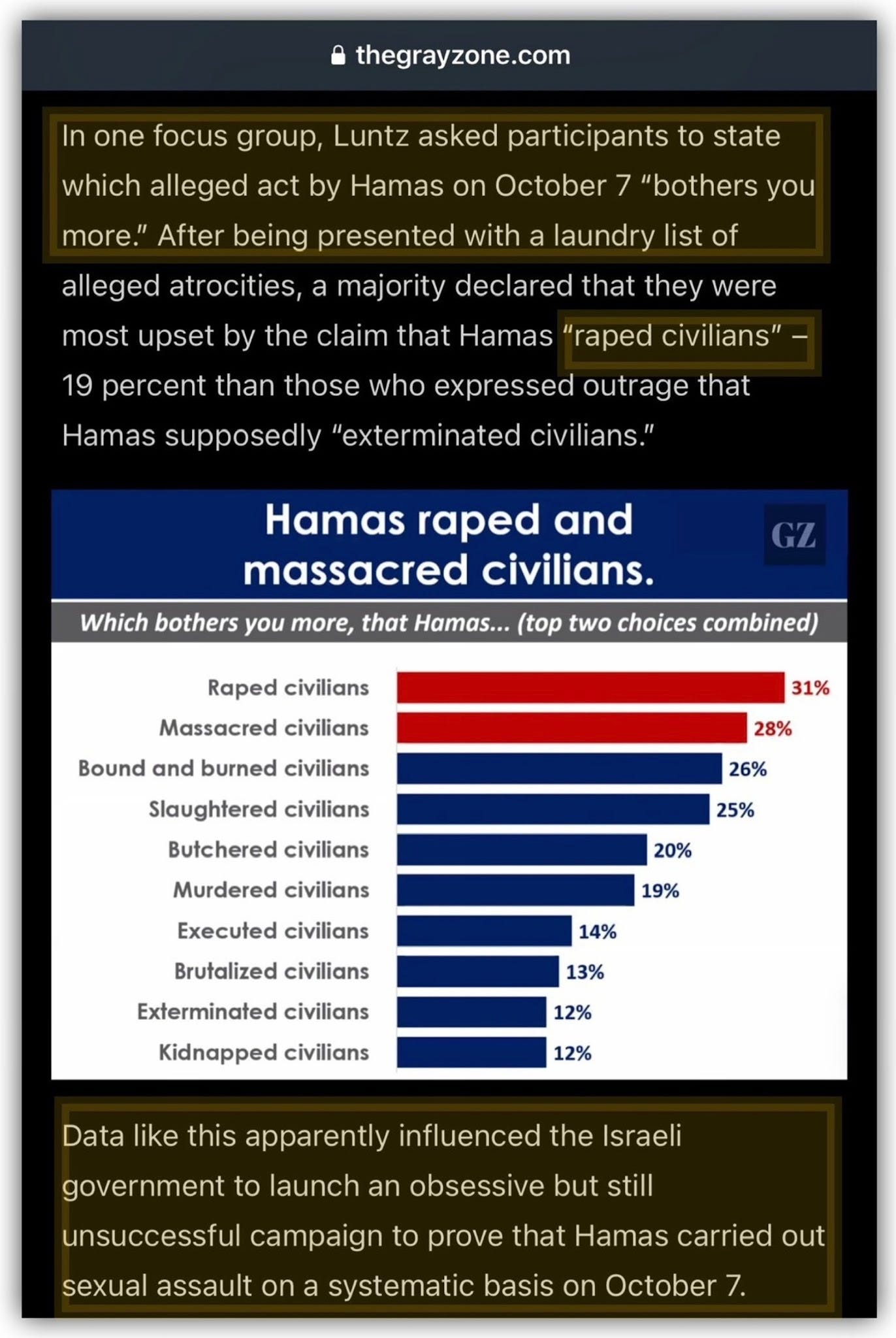
However, this deep emotional trigger can be weaponized for political ends. Leaked Israeli government documents (reported by The Grayzone) after October 7, 2023, revealed a deliberate strategy to highlight rape allegations to garner American support for military actions. In the study, rape consistently ranked as the most effective atrocity narrative in focus groups. Similar dynamics appear in domestic U.S. politics, where allegations of sexual misconduct can rapidly shift public opinion. In the case of the Israel study, what followed was a well organized and funded Israel propaganda campaign alleging Hamas systemic rape of Israelis on October 7th. Over time, human rights groups and news outlets pointed to the lack of evidence and Israel’s role in preventing independent investigations.
Democrats are Highly Sensitive to Sexual Assault Allegations
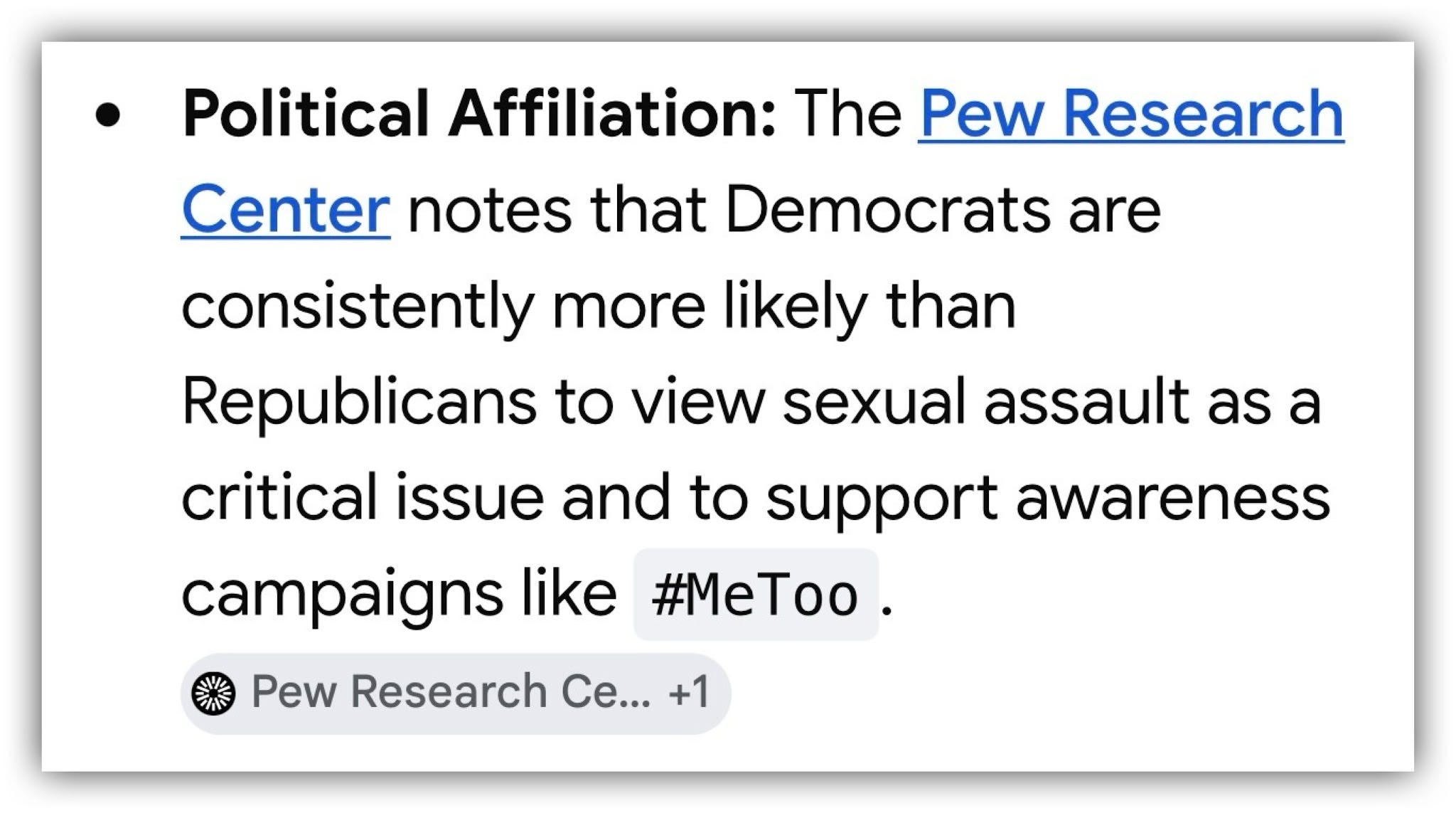
Research consistently highlights partisan asymmetries:
Democrats show high sensitivity to sexual misconduct claims regardless of the accused’s party. The MeToo movement originated and gained strongest traction in Democratic circles.
Republicans exhibit more partisan filtering and are more likely to believe allegations against Democrats and less so against their own.
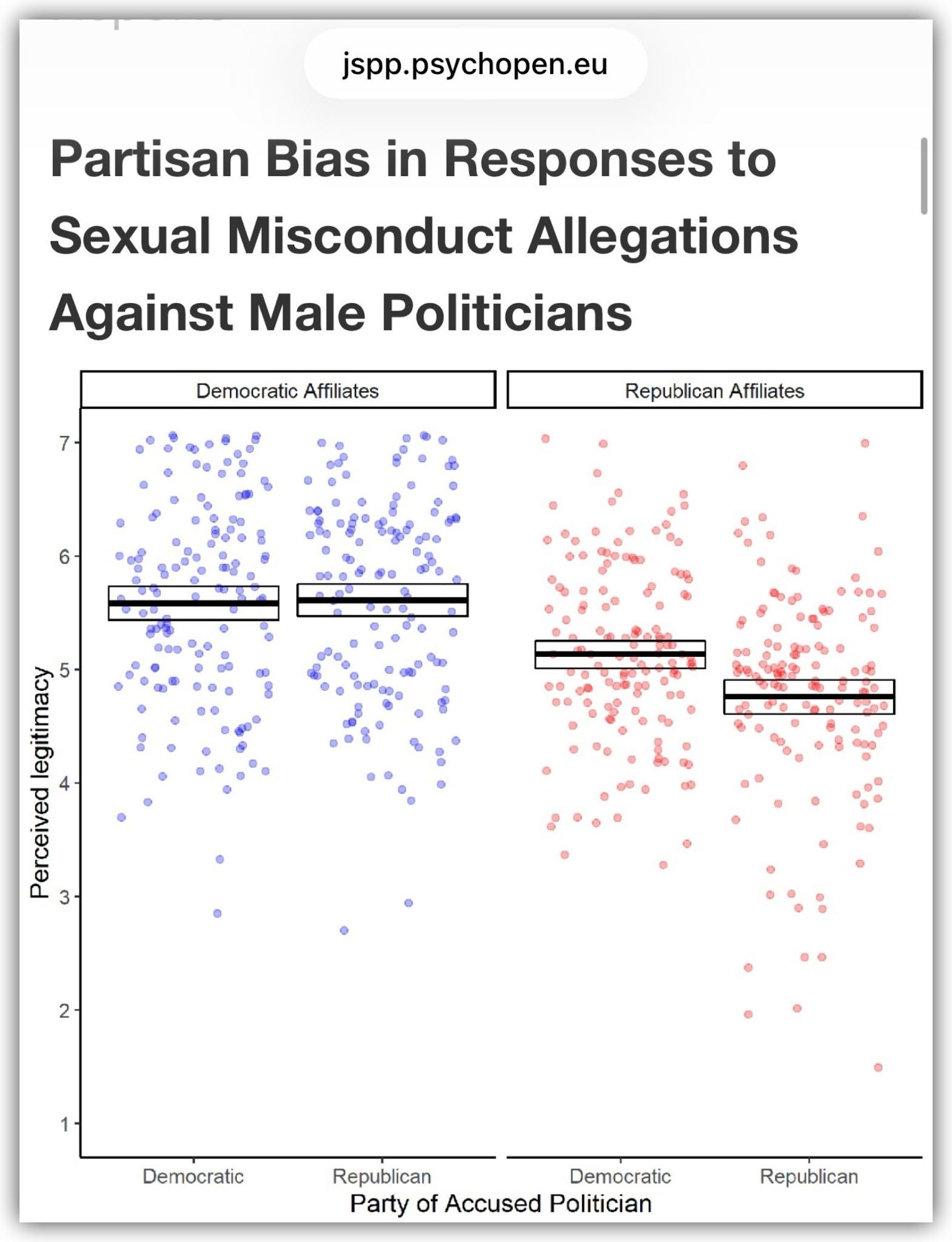
A Journal of Social and Political Psychology study on responses to allegations against male politicians confirmed this pattern. Democrats responded strongly to claims irrespective of party affiliation, while Republicans showed bias favoring their side. Combined with broad public outrage over rape, this makes sexual assault allegations a potent tool against male Democrat figures.
Discrepancies in Racicot’s Account
Racicot’s Politico claims describe a non-consensual encounter in 2021 where Platner allegedly ignored her wishes, raped her, stayed the night, and later failed to acknowledge the assault the next morning. She reportedly told him to leave and never contact her again.
Key inconsistencies include:
Earlier NYT Interview (June 2026): In a New York Times piece published just one month earlier, Racicot described the same incident as “reckless and unsettling” but not rape. She characterized her relationship with Platner as on-and-off with positive memories. This shift from “unsettling” to “rape” in a short period raises questions.
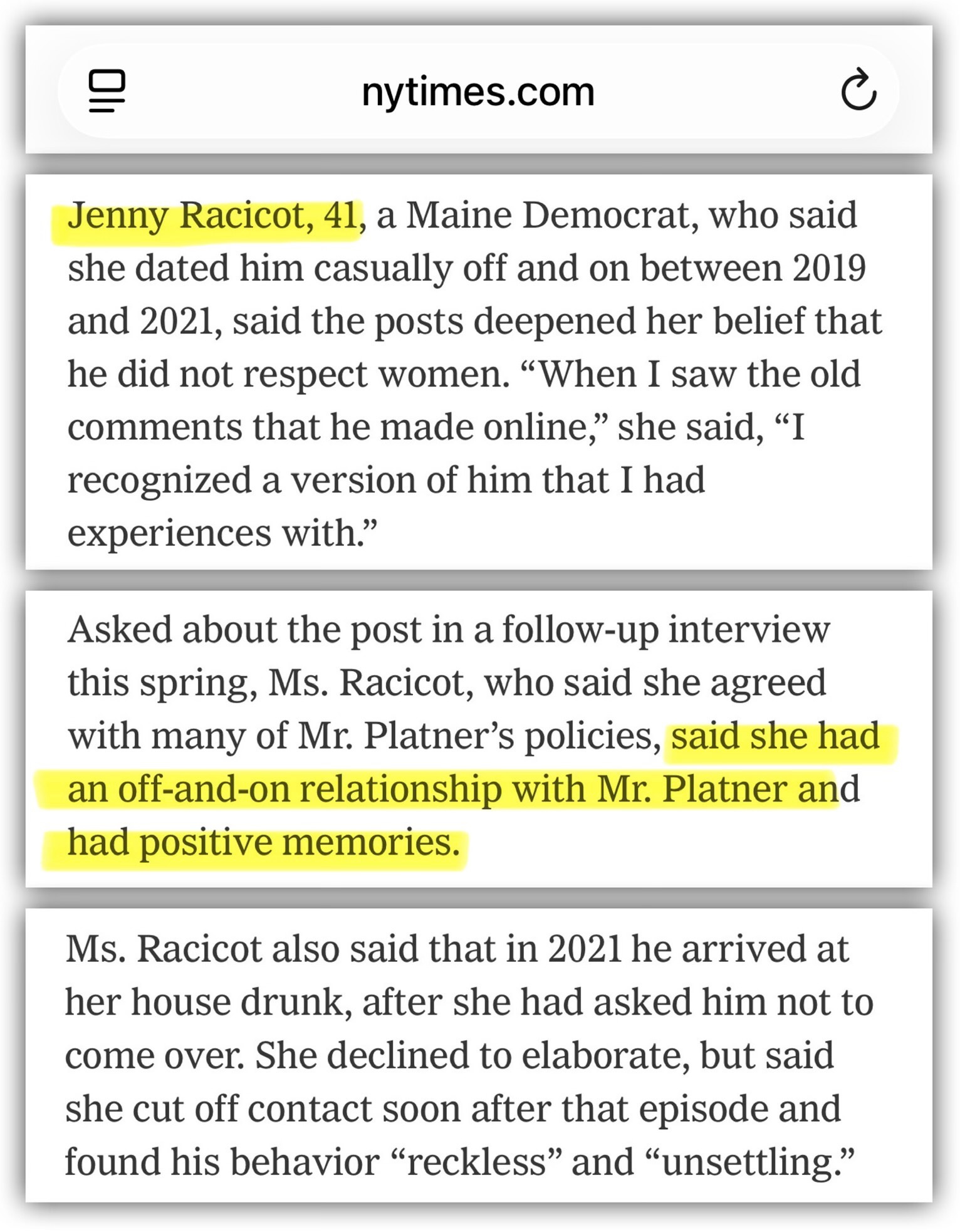
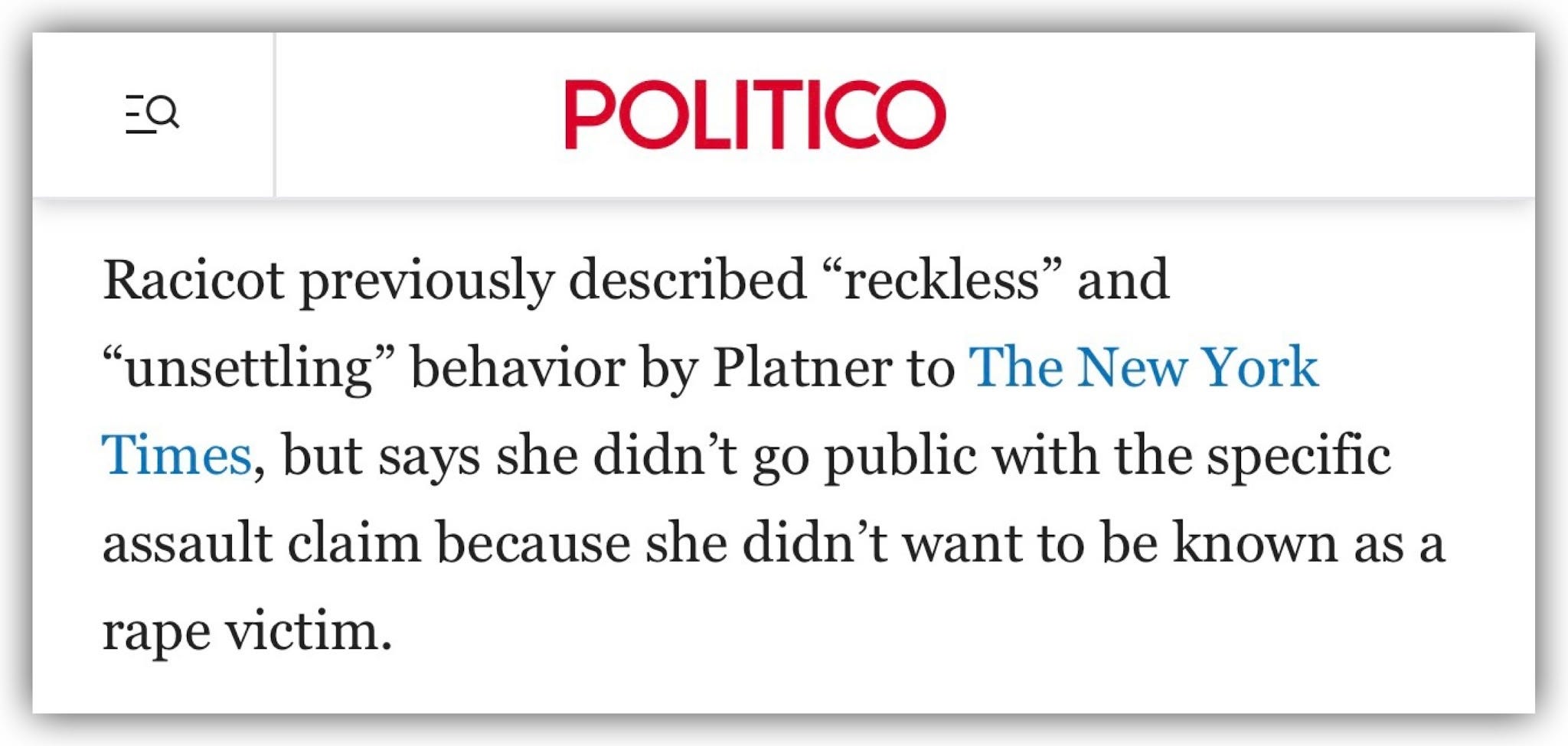
Timing and Public Disclosure: Racicot previously told the NYT she avoided public claims because she “didn’t want to be known as a rape victim.” Yet one month later, she went public in Politico and appeared on CNN hours afterward to discuss it nationally.
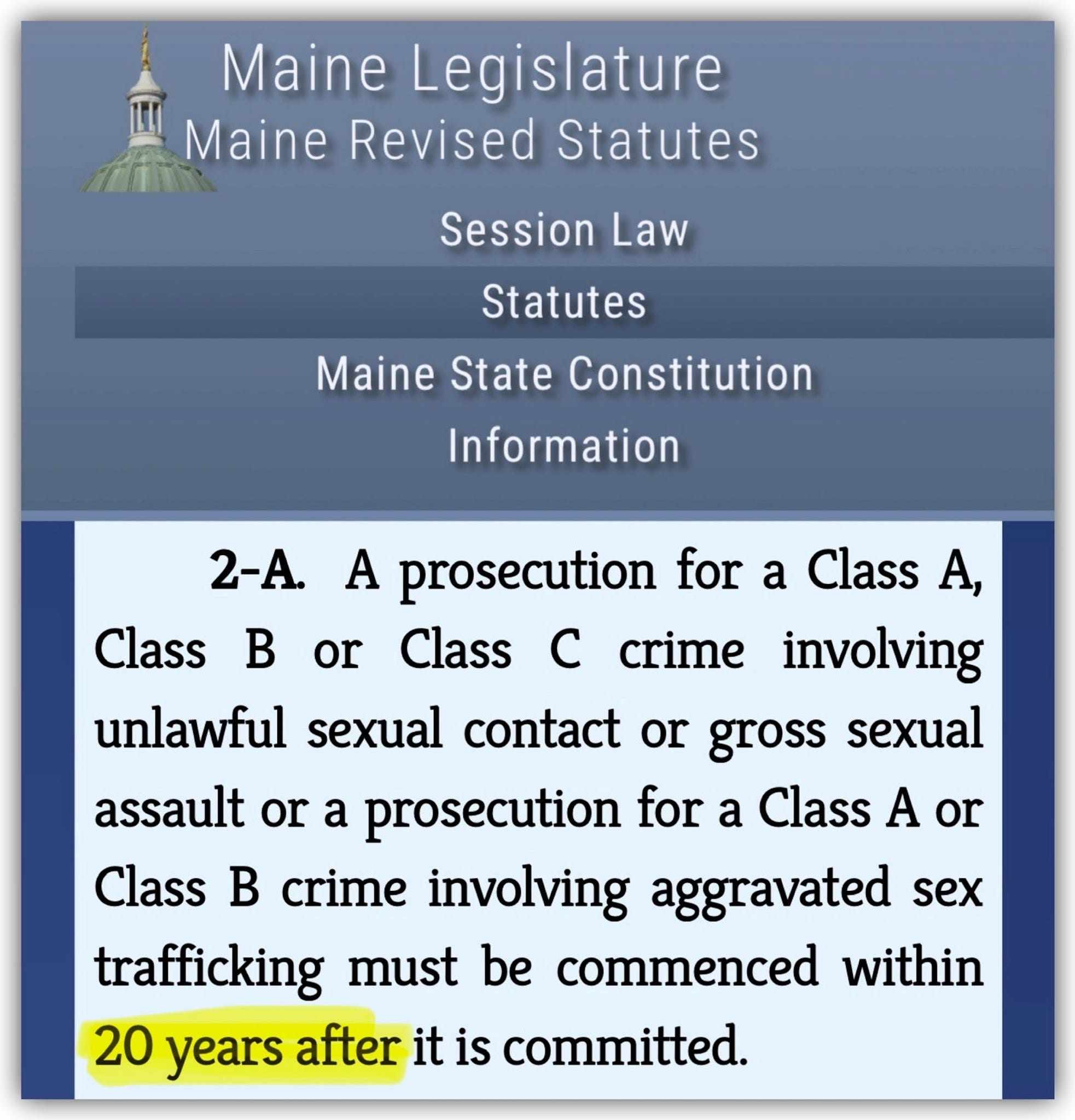
No Criminal Complaint: The alleged incident occurred in 2021. Maine’s statute of limitations for sexual assault allows prosecution up to 20 years later. Racicot remains well within the window but has not filed charges with police. Instead, she chose to litigate in the media.
Politico’s Lack of Evidence and Ommissions
During a Morning Joe segment, host Mika Brzezinski pressed Politico reporter Adam Rank on evidence. Rank acknowledged no police report exists. Corroboration relied on:
Conversations with Racicot’s therapist in June 2026 (reviewed emails referring to “sexual assault”), therapist declined to comment when asked by Politico.
Statements from others she confided in after the event (in some cases, years later).
Messages Racicot described sending to Platner (Instagram DMs) were never produced since she claimed to have deleted them.
Shortly after Politico’s publication, the Washington Post published its version of events. They reported on the night of the allegation, Racicot texted Platner that she needed to get her “glutes massaged”, to which Platner responded he was coming over. This information was omitted by Politico in their reporting. When the Platner campaign asked Politico about the omission, Politico confirmed they were aware of the glute massage texts but they chose to omit it from their reporting.
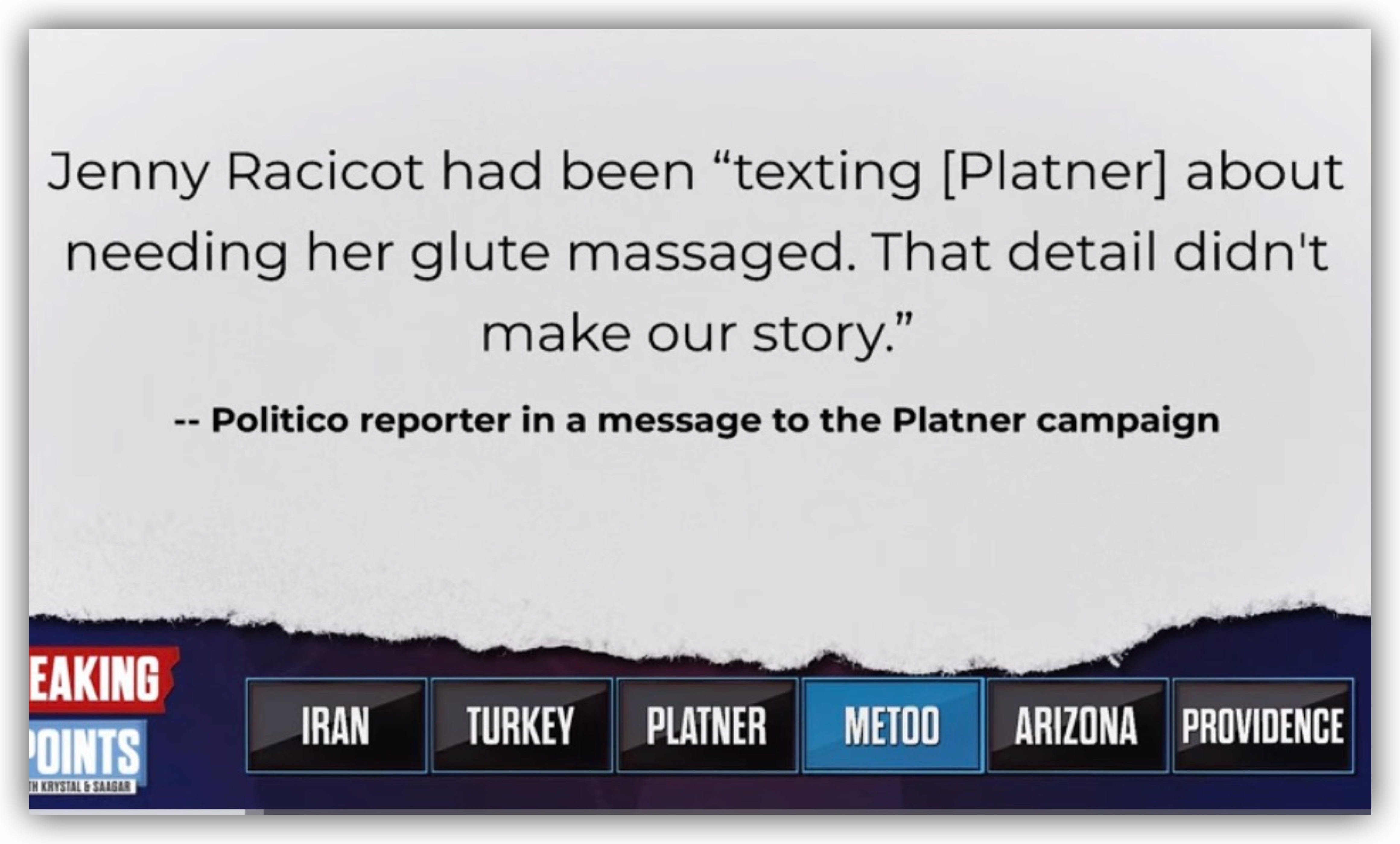
During the Morning Joe interview, Rank emphasized that Racicot’s story remained consistent across multiple interviews. However, no direct evidence (e.g., recovered DMs confirming non-consent or physical proof) was presented, on the contrary, new reporting shows Politico omitted important context that was contrary to their narrative and Platner denies the allegations. The reporting ultimately rests on “he said, she said” with corroboration from friends and an email sent to her therapist in June 2026.
The Reporters and Their Backgrounds
Across the reporting from NYT, Politico and CNN, there is a curiously high level of career overlap amongst the reporters and publications and a high degree of Pro-Israel affiliation and reporting.
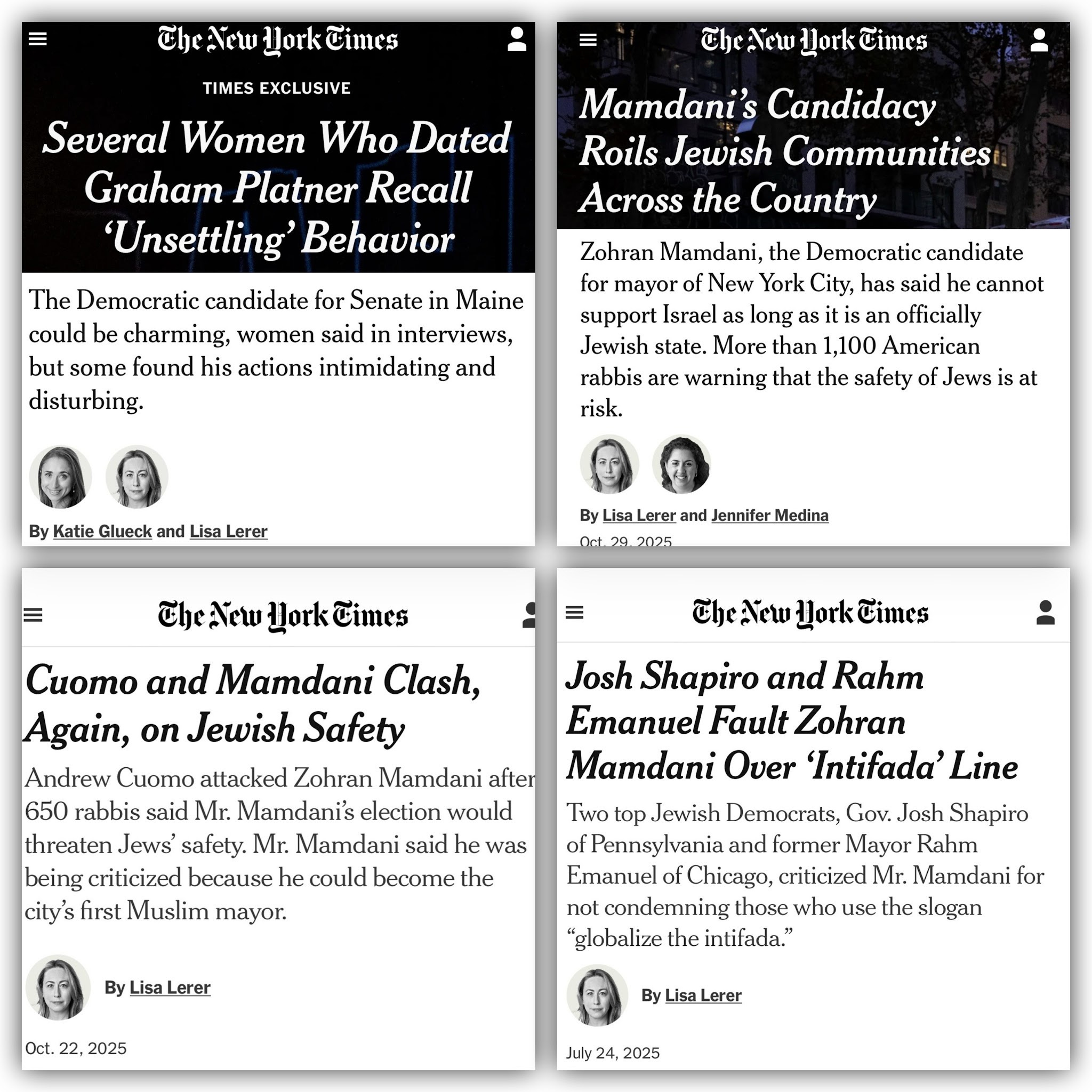
June 4, 2026 – The New York Times: The first major story, headlined “Several Women Who Dated Graham Platner Recall ‘Unsettling’ Behavior,” was written by national political reporters Katie Glueck and Lisa Lerer. It detailed accounts from women who described Platner as sometimes charming but also volatile, demeaning, or emotionally abusive in past relationships. Platner acknowledged past struggles with PTSD, depression, and drinking but denied reflecting his current character.
Katie Glueck (NYT) has covered national Democratic politics for over a decade, previously working at Politico. During her time at Northwestern University, she served as co-president of the Students for Israel chapter, which received an AIPAC “Activist of the Year” award in 2009.

Lisa Lerer (NYT) is a veteran national political correspondent who joined the Times in 2018. She also previously worked at Politico. Her reporting shows a high focus on campaigns related to candidates who are critical of Israel where she perpetuates fears of antisemitism if said candidates are elected. She has written quite a few articles with this narrative directed at Zohran Mamdani. She has also written many articles critical of Platner.
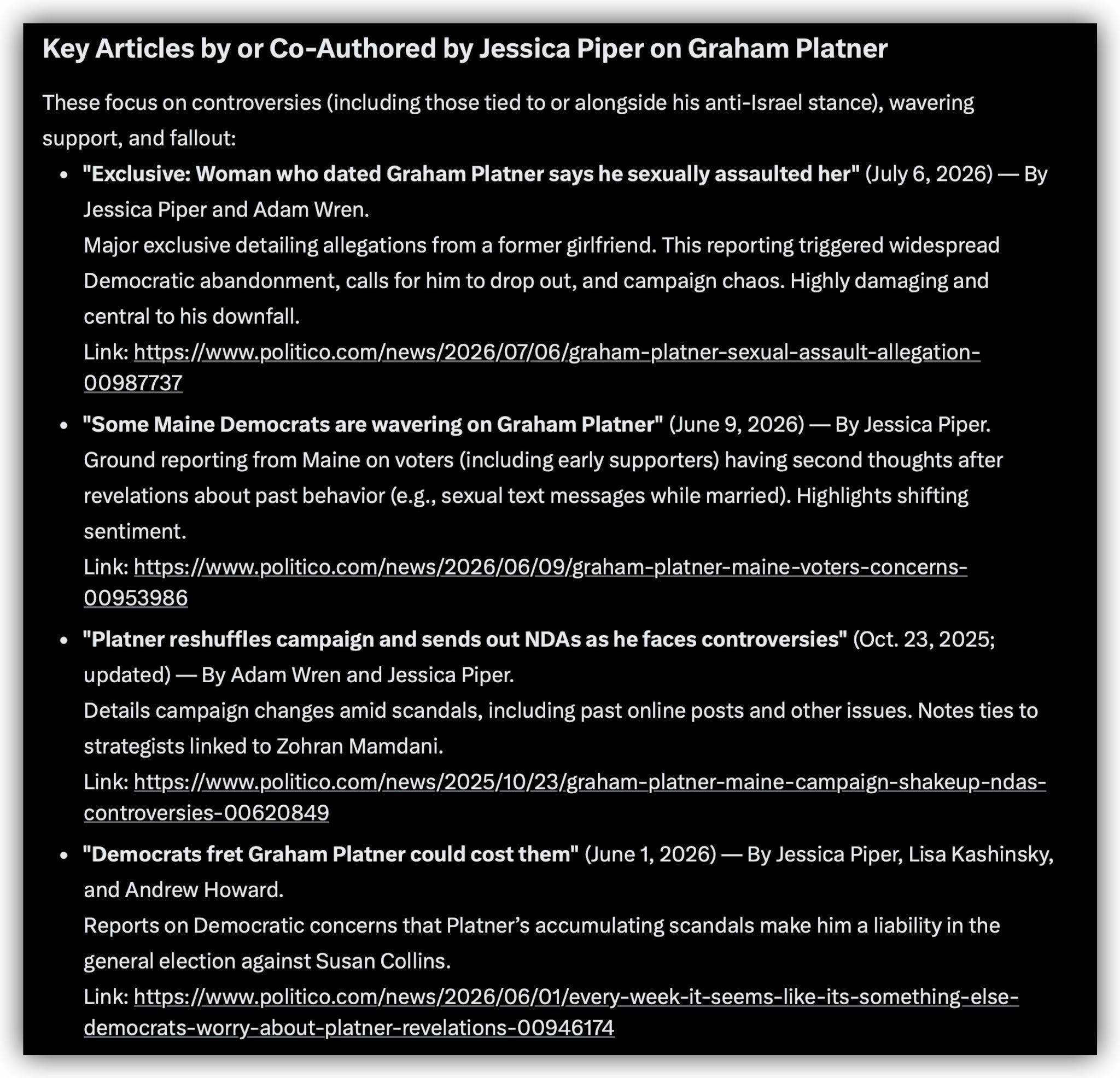
3PM, July 6, 2026 – Politico: An exclusive Politico report by Jessica Piper and Adam Wren escalated the allegations. It featured Jenny Racicot, a Maine woman who alleged that Platner sexually assaulted her in late 2021 during an on-and-off relationship. Racicot described him entering her home uninvited while intoxicated and forcing sex despite her objections. Platner and his campaign strongly denied the claims as “categorically untrue” and suggested political motivation.
Adam Wren (Politico) is a senior national politics correspondent and Playbook contributor. He has written extensively on the intersection of religion, politics, and the Jewish community, as well as how foreign policy debates intersect with domestic elections. He consistently writes articles attacking candidates who are critical of Israel such as Graham Platner, Abdul El-Sayed and Zohran Mamdani, scrutinizing associations, insinuating antisemitism, and alleging rape with questionable evidence and omitting key details.
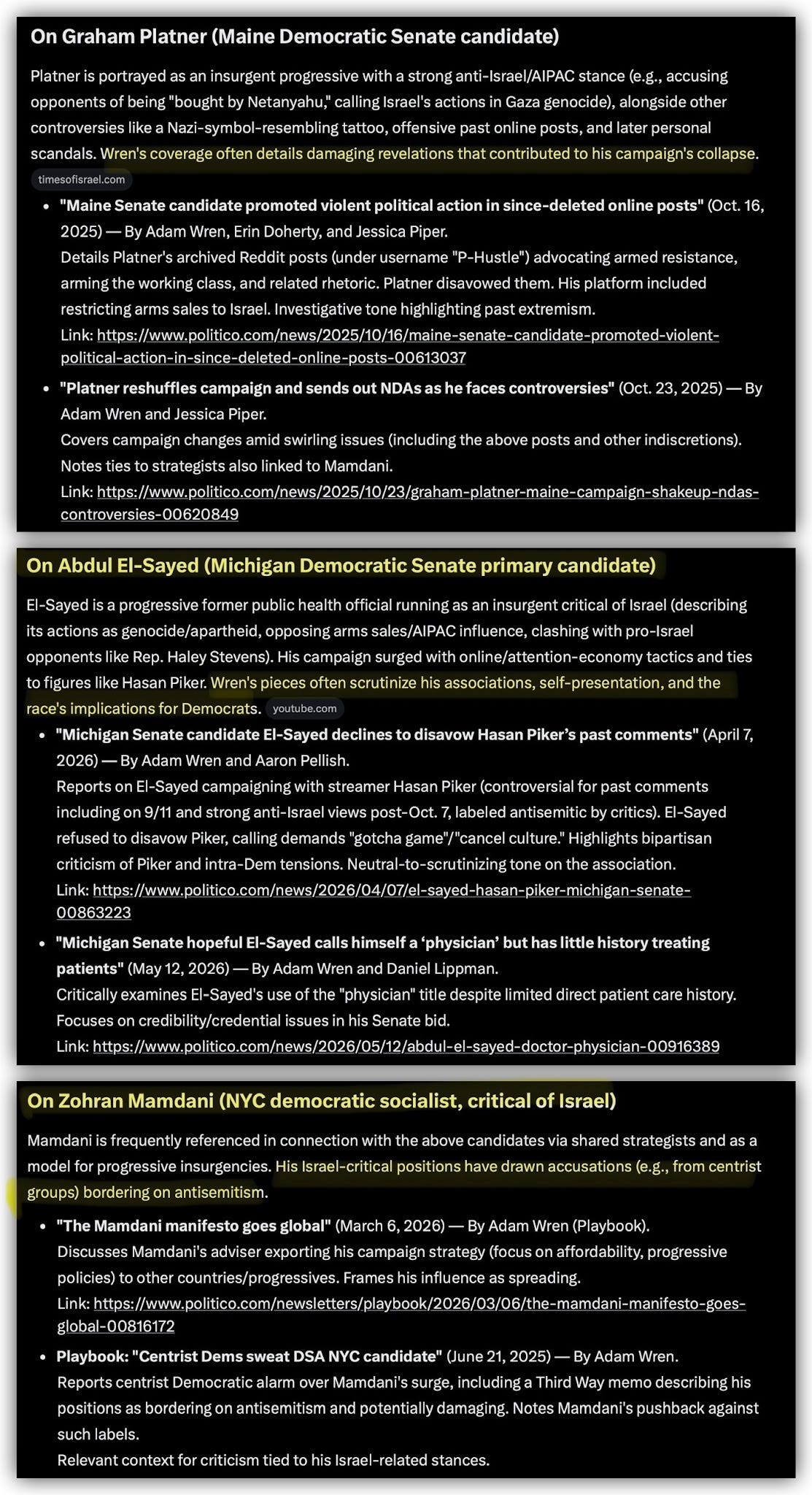
Jessica Piper (Politico) serves as a senior data reporter focusing on elections, campaign finance, and data-driven political analysis. Her coverage overlaps significantly with Adam Wren’s on Graham Platner (Maine Democratic Senate candidate, progressive critical of Israel/AIPAC with associated controversies like a Nazi-symbol tattoo and past online posts). She has written or co-written numerous pieces highlighting scandals, voter concerns, establishment reluctance, and campaign damage, often accelerating the narrative of Platner’s liabilities and eventual collapse/drop-out.
4PM, July 6, 2026 – CNN: Jake Tapper conducted an exclusive extended interview with Jenny Racicot, in which she reiterated her allegations in detail. This significantly amplified the Politico story to a national television audience.
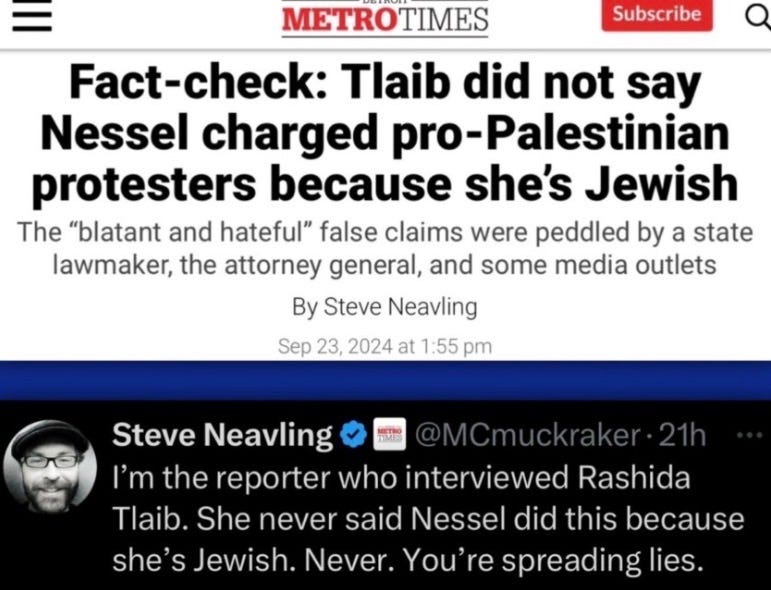
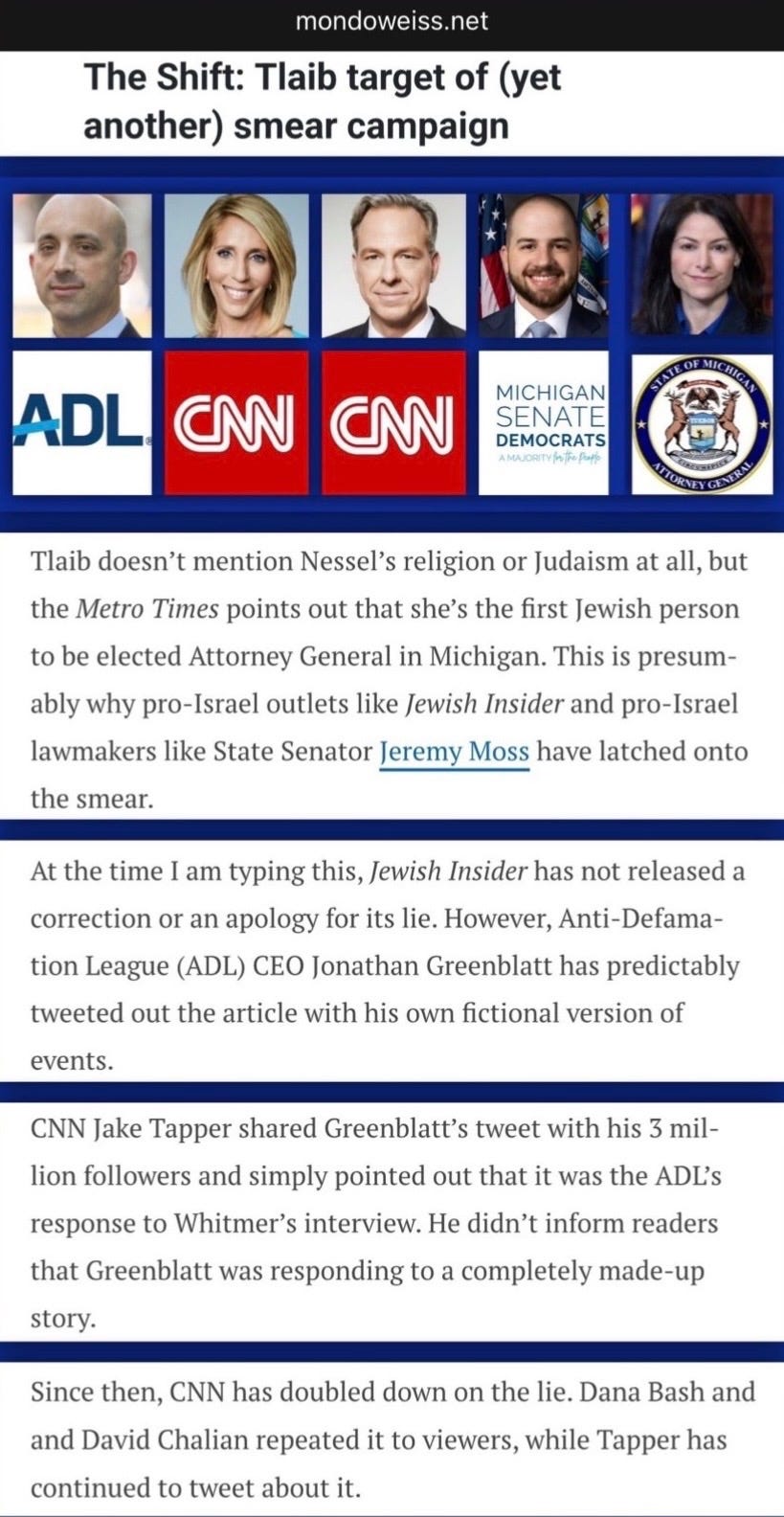
Jake Tapper (CNN) has faced criticism from multiple outlets for what they describe as a pro-Israel tilt in post-October 2023 coverage, including limiting Palestinian voices on Sunday programming and framing of protests. In September 2024, Tapper and colleague Dana Bash amplified false claims that Rep. Rashida Tlaib had made antisemitic remarks against Michigan Attorney General Dana Nessel. Tlaib had criticized Nessel’s office for what she called possible bias in handling pro-Palestinian campus cases. Tlaib did not reference Nessel’s Jewish identity. Nessel accused Tlaib of antisemitism. The reporter of the article in question quickly took to social media and published an article clarifying Tlaib never mentioned religion. Critics, including The Intercept, The Guardian, and commentator Katie Halper, described the episode as a false smear that was rapidly picked up by Tapper, Bash, the ADL, and others.
The Zionist Institutions Behind the Reporting
A July 2025 Mondoweiss investigation outlines the New York Times’ coverage of Israel and Gaza reflects institutional commitment to Zionism, citing close ties among some 20 editors and staff covering Israel-Palestine, including prior Israeli military service and family connections to Israeli institutions. While the piece focused primarily on Jerusalem correspondents rather than Glueck or Lerer, it framed these connections as shaping broader institutional priorities.

At Politico, parent company Axel Springer maintains corporate “Essentials” that include explicit support for “the right of existence of the State of Israel” and opposition to antisemitism. In a 2025 report by Truthout, CEO Mathias Döpfner reportedly told staff that disagreement with these core values made continued employment incompatible and suggested employees seek work elsewhere if they could not personally align.

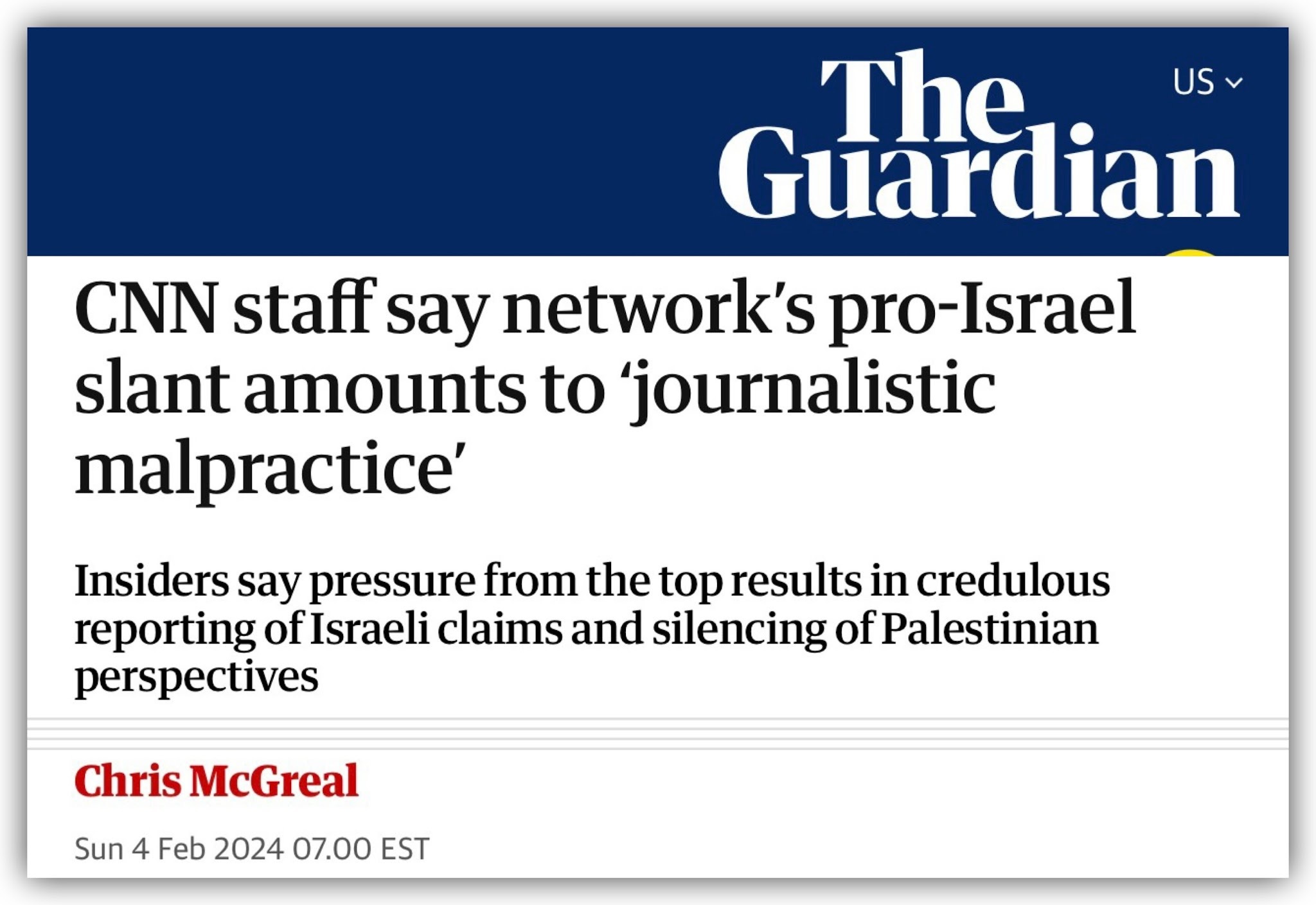
CNN, the network that features Jake Tapper’s The Lead, has a long history of Israel bias. During the early months of the Gaza genocide, CNN staff reported pro-Israel slant that amounts to journalistic malpractice.
The rapid escalation of sexual assault allegations against Graham Platner from the New York Times to Politico and CNN within weeks of his primary victory, illustrates how powerful emotional triggers around rape can be strategically deployed in high-stakes politics. While sexual assault is a grave issue that demands serious attention, the inconsistencies in Jenny Racicot’s account, the absence of a police report or contemporaneous evidence, the convenient omissions in Politico’s reporting, and the unusually tight timeline all warrant far greater scrutiny than they have received.
These red flags are compounded by the clear pattern of involvement from journalists with strong pro-Israel affiliations and institutional outlets that have shown consistent bias against candidates critical of Israel particularly at a time when Israel is pushing to pass a myriad of bills that would further merge its military with the U.S., guaranteeing endless funding, advanced technology, and intelligence access. In an era when public sensitivity to such allegations is appropriately high (especially among Democrats) this case underscores the urgent need for rigorous skepticism, independent verification, and resistance to media-driven narratives that appear crafted for political destruction rather than truth-seeking.
Sources:
WAPO
Breaking Points
Jake Tapper CNN who interviewed Racico


The New York Times commitment to Zionism begins with its own staff – Mondoweiss
https://mondoweiss.net/2025/07/the-new-york-times-commitment-to-zionism-begins-with-its-own-staff/
Politico Boss Reportedly Demands Allegiance to Israel From Editorial Staff | Truthout
Maine Statute
https://legislature.maine.gov/statutes/17-a/title17-asec8.html
Politico
https://www.politico.com/news/2026/07/06/graham-platner-sexual-assault-allegation-00987737
New York Times
https://www.nytimes.com/2026/06/04/us/politics/platner-maine-senate-girlfriends-relationships.html
The entire scenario re Platner has disturbed me. My first instinct was to believe Jenny Racicot, but I was troubled by the inconsistencies in her claims. Any attempt to voice my skepticism was immediately shot down with, “I guess you’ve never been raped” (which is thankfully true) and far uglier responses. Ryan Grim was pilloried when he questioned Politico’s omission of the “glutes massage” message, as was Ken Klippenstein. I’ve seen what’s happened to candidates who don’t support Israel, and the claims by Racicot seem a little too convenient to me.
As I can always expect from you, my friend, you lay out a good reason for my skepticism. Something is fishy.
We know for a fact that Trump is a pedophile and a rapist, not to mention a foreign agent, and the Democrats won't even try to impeach him over it, but they feel they are morally required to believe a woman who has changed her story at a very convenient time, and tear at their hair and rend their garments over it to prove how much they Believe women.
That said, Platner probably really did it. If he hadn't, he should have responded with incandescent fury and righteous denial. At least, I know I would have done that.
None of this changes the fact that you did great journalism here.